Source gold crystal beaded rhinestone trim for Bags Garment Shoes
Compare 30 listings of gold crystal beaded rhinestone trim suitable for bags, garments, and shoes. Buyers can evaluate materials like metal alloy and glass, along with customization options and shipping methods from China suppliers.
Key considerations
Products List


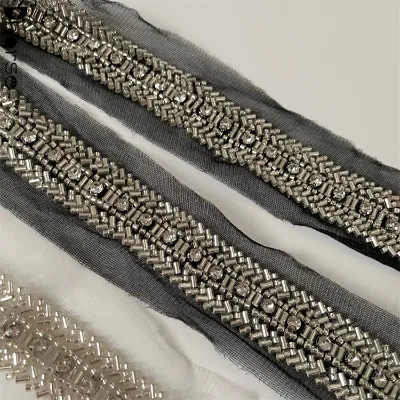
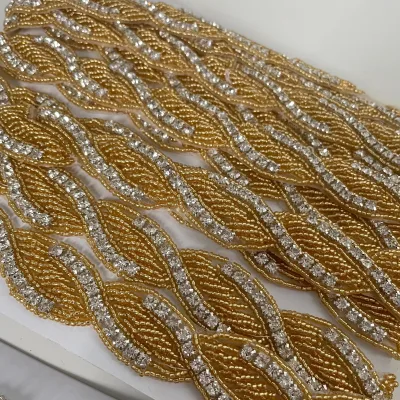


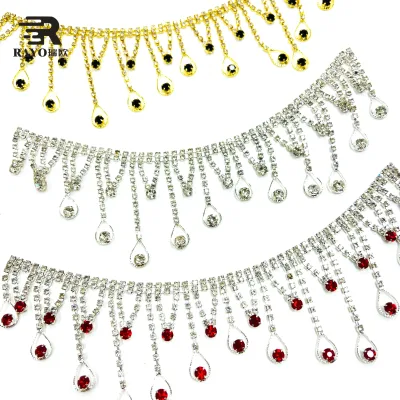


Comprehensive Sourcing Guide
Strategic Sourcing Guide for Gold Crystal Beaded Rhinestone Trim
Understanding Product Specifications and Material Composition
When sourcing gold crystal beaded rhinestone trim, buyers must first establish a precise understanding of the physical and material attributes that define the product category. The core keyword suggests a specific aesthetic and functional combination: a metallic gold finish, crystal-like clarity, and a beaded construction. Based on available market data, this product class typically utilizes materials such as metal alloys, glass, or bead-based composites. The "gold" designation often refers to a plating or coating applied to the underlying metal alloy structure, while the "crystal" aspect implies the use of glass or high-refractive-index synthetic materials to mimic the brilliance of natural gemstones.
The physical dimensions of the trim are critical for design integration. Specifications indicate that the diameter of individual stones or beads can vary, with observed ranges including measurements greater than 4mm and greater than 6mm. The length of the trim is generally substantial, often exceeding 150cm per unit, which facilitates continuous application on larger garments or accessories. The shape of the components is another defining feature; while some variations feature irregular chain links, others are designed with specific motifs such as flowers. The style is predominantly flatback, which is essential for applications requiring a smooth surface against fabric or other substrates.
The following table summarizes the key technical specifications observed in this product category to assist buyers in defining their requirements:
| Specification Category | Observed Attributes | Verification Requirement |
|---|---|---|
| Material | Metal Alloy, Glass, Beads | Confirm core material and plating quality. |
| Diameter | >4mm, >6mm | Verify specific stone size for design scale. |
| Length | >150cm | Check total yield per roll or pack. |
| Shape | Irregular, Flower, Cup Chain | Ensure shape matches design intent. |
| Finish | Gold, Silver, Multi-color | Confirm color consistency and coating durability. |
| Standard Size | 91*4.4cm, 91CM/Yard | Validate standard roll dimensions. |
Buyers should verify that the supplier can consistently maintain these dimensions, as deviations can impact the final look of the garment or accessory. The "gold" finish must be scrutinized for its composition, as it may range from simple electroplating to more durable PVD coatings, though specific plating standards should be confirmed directly with the manufacturer.
Compliance, Certification, and Safety Standards
In the B2B procurement of decorative trims, compliance and safety are paramount, particularly when the end products are intended for children's wear, intimate apparel, or items that come into direct contact with skin. While the supplied data does not explicitly list specific certification bodies or test report numbers, buyers must treat compliance as a non-negotiable prerequisite. The product origin is frequently noted as China, specifically regions like Guangdong, which are major manufacturing hubs. However, the location of origin does not dictate the safety standard; rather, the specific factory's adherence to international regulations does.
Buyers must request documentation proving that the materials used—specifically the metal alloys and glass components—comply with relevant safety standards. For metal components, this often involves verifying that the lead, cadmium, and nickel content falls within the limits set by regulations such as the REACH regulation in the European Union or the CPSIA in the United States. The "Grade Aaaaaa" designation observed in some listings suggests a high-quality tier, but this is a marketing term rather than a standardized certification. Therefore, it is essential to request third-party laboratory test reports that explicitly confirm the absence of harmful substances.
Furthermore, the adhesive properties of the trim, if applicable, must be evaluated for toxicity. Some products are described as "sewable," "ironable," or "self-adhesive." If the trim includes an adhesive backing, the chemical composition of the glue must be verified to ensure it does not release volatile organic compounds (VOCs) or cause skin irritation. Buyers should also inquire about the flammability of the trim, as it will be applied to garments that may be subject to fire safety regulations. Without explicit certification data in the public listing, the procurement process must include a mandatory request for current test reports from an accredited laboratory before placing a bulk order.
Cost Drivers and Pricing Dynamics
The pricing of gold crystal beaded rhinestone trim is influenced by a complex interplay of material costs, labor intensity, and order volume. The observed price range in the market spans from $0.01 to $9.99 USD, a wide spectrum that reflects significant variations in quality, size, and complexity. The lower end of this range typically corresponds to standard glass beads with basic metal plating and simple chain link shapes. Conversely, the higher end likely encompasses premium glass crystals, intricate flower shapes, and more durable gold plating processes.
Material costs are a primary driver. The use of genuine glass versus synthetic alternatives, and the quality of the metal alloy used for the chain or setting, directly impacts the base cost. Additionally, the "gold" finish requires a specific plating process; thicker or more corrosion-resistant plating will increase the unit price. Labor is another significant factor, particularly for trims with complex shapes like flowers or irregular links, which require more manual assembly or precise machine setting compared to standard straight chains.
Order volume plays a crucial role in determining the final unit price. The Minimum Order Quantity (MOQ) varies significantly across suppliers, with observed ranges from 3 units to 1000 units, and specific standard MOQs often cited as 10 yards, 20 pieces, or 30 yards. Buyers who can meet higher volume thresholds often negotiate better pricing, but they must balance this against inventory holding costs. The payment terms, which include options like T/T, PayPal, and Western Union, also influence the financial dynamics of the transaction. Buyers should be aware that suppliers may offer different price tiers based on the payment method chosen, with faster payment methods sometimes commanding a slight premium or discount depending on the supplier's cash flow needs.
Typical Applications and Design Integration
The versatility of gold crystal beaded rhinestone trim makes it suitable for a wide array of applications across multiple industries. The primary use cases identified include bags, garments, shoes, souvenirs, weddings, and engagement events. In the fashion industry, this trim is frequently used to embellish evening gowns, bridal wear, and haute couture accessories. The "sewable" and "ironable" features allow for flexible integration into various textile constructions, enabling designers to apply the trim via traditional stitching or heat transfer methods.
For the accessory market, the trim is ideal for decorating handbags, clutches, and shoe straps. The "cup chain" design and "flower" shapes add a luxurious touch to leather goods and footwear, enhancing their visual appeal without adding excessive weight. The "souvenir" and "wedding" applications suggest that the trim is also used in event decor, such as table runners, chair sashes, and gift packaging. The ability to customize designs, including mixing sizes and colors, allows buyers to create unique, brand-specific products that stand out in a crowded market.
The "flatback" style is particularly advantageous for applications where the trim needs to adhere to a surface without protruding elements, such as on the back of a garment or the interior of a bag. The "self-adhesive" option provides a quick application method for temporary or semi-permanent decorations, while the "sewable" option ensures durability for items that will undergo frequent washing or heavy use. Buyers should consider the end-use environment when selecting the specific type of trim; for instance, items intended for outdoor use or frequent laundering may require a more robust attachment method than those for one-time event wear.
Supplier Evaluation and Quality Control Protocols
Selecting a reliable supplier for gold crystal beaded rhinestone trim requires a rigorous evaluation process that goes beyond the initial product listing. Buyers should prioritize suppliers who demonstrate transparency in their production capabilities and quality assurance measures. The "Grade Aaaaaa" label found in some listings is a strong indicator of a high-quality tier, but it must be substantiated by physical inspection and testing. A key aspect of supplier evaluation is the ability to provide samples. Many suppliers support sample orders with a lead time of 7 days, allowing buyers to verify the color accuracy, plating quality, and structural integrity of the trim before committing to a bulk order.
Quality control protocols should be established to ensure consistency across the production run. Buyers must verify that the supplier has a system in place to check for common defects such as loose stones, uneven plating, or inconsistent bead sizes. The "customization" feature, which includes accepting mix sizes and colors, introduces a layer of complexity that requires strict quality control to prevent errors in the final product. Buyers should request a quality control plan from the supplier that outlines the inspection stages, including raw material checks, in-process monitoring, and final product verification.
The shipping and logistics capabilities of the supplier are also critical. The observed shipping methods include major carriers like DHL, UPS, FedEx, EMS, and TNT, as well as air and sea freight options. Buyers should evaluate the supplier's ability to handle the specific shipping requirements of their destination, including packaging standards. The "packing bag" and "waterproof box" options indicate that suppliers offer various packaging solutions to protect the trim during transit. Ensuring that the packaging is robust enough to prevent damage to the delicate stones and chains is essential for maintaining product quality upon arrival.
Long-Term Procurement Considerations and Scalability
Sourcing gold crystal beaded rhinestone trim is not merely a transactional activity but a strategic decision that impacts the long-term viability of a buyer's product line. Scalability is a key consideration; as demand grows, the supplier must be able to increase production capacity without compromising quality or delivery timelines. The observed delivery times range from 1-4 working days for standard orders to 7-9 working days for more complex requests, with sample orders taking 7 days. Buyers should assess whether the supplier can maintain these lead times during peak seasons or when handling large volume orders.
The flexibility of the supplier to accommodate design changes is another critical factor. The "customized design" feature, which is welcomed by many suppliers, allows buyers to adapt their products to changing market trends. However, this flexibility requires a strong communication channel and a clear understanding of the customization process. Buyers should establish a long-term partnership with suppliers who are responsive to design requests and can provide technical support for new product development.
Sustainability and ethical sourcing are increasingly important in the B2B procurement landscape. While specific sustainability certifications are not explicitly detailed in the provided data, buyers should inquire about the supplier's practices regarding waste reduction, energy efficiency, and labor conditions. The use of "metal alloy" and "glass" materials suggests that the supply chain involves mining and manufacturing processes that have environmental impacts. Buyers should seek suppliers who are committed to sustainable practices and can provide evidence of their efforts to minimize their environmental footprint.
Finally, the financial stability of the supplier is a long-term consideration. A financially stable supplier is more likely to invest in quality improvements, maintain consistent inventory levels, and honor contracts during market fluctuations. Buyers should conduct a thorough due diligence process to assess the supplier's financial health and reputation in the market. By focusing on these long-term factors, buyers can build a resilient supply chain that supports their growth and ensures the consistent delivery of high-quality gold crystal beaded rhinestone trim.
FAQs
What materials are used for gold crystal beaded rhinestone trim?
These trims typically use metal alloy, glass, or beads as core materials. The gold finish is often a plating on the metal alloy, while the crystal appearance comes from glass components or high-refractive synthetic materials.
How can I apply the rhinestone trim to my garments?
You can apply the trim using sewing, ironing, or self-adhesive methods depending on the specific product type. Some varieties are designed for flatback application, while others require traditional stitching for durability on heavy fabrics.
What is the minimum order quantity for these trims?
Minimum order quantities vary significantly, ranging from 3 units to 1000 units across different suppliers. Specific listings often cite standard MOQs of 10 yards, 20 pieces, or 30 yards depending on the customization level.
Which shipping methods are available for delivery?
Major carriers like DHL, UPS, FedEx, EMS, and TNT are commonly used for shipping these products. Options also include air freight and sea freight, with delivery times typically ranging from 1 to 9 working days.
Can I customize the design and colors of the trim?
Yes, customization is available, allowing for mix sizes and colors to suit specific design needs. Suppliers often accept requests for over 50 colors and can accommodate specific shape requirements like flowers or irregular chain links.
What are the standard dimensions for the rhinestone stones?
The diameter of individual stones or beads can vary, with observed sizes greater than 4mm and greater than 6mm. The total length of the trim is generally substantial, often exceeding 150cm per unit for continuous application.
How long does it take to receive a sample order?
Sample orders typically have a lead time of 7 days for processing and delivery. Some suppliers may offer faster delivery windows of 1 to 4 working days for standard items, but complex custom samples may take longer.